Blog
Thinking
The meeting about the meeting; A tale from meeting room 6.
by
Fenya Lazar
February 24, 2026
The meeting about the meeting; A tale from meeting room 6.
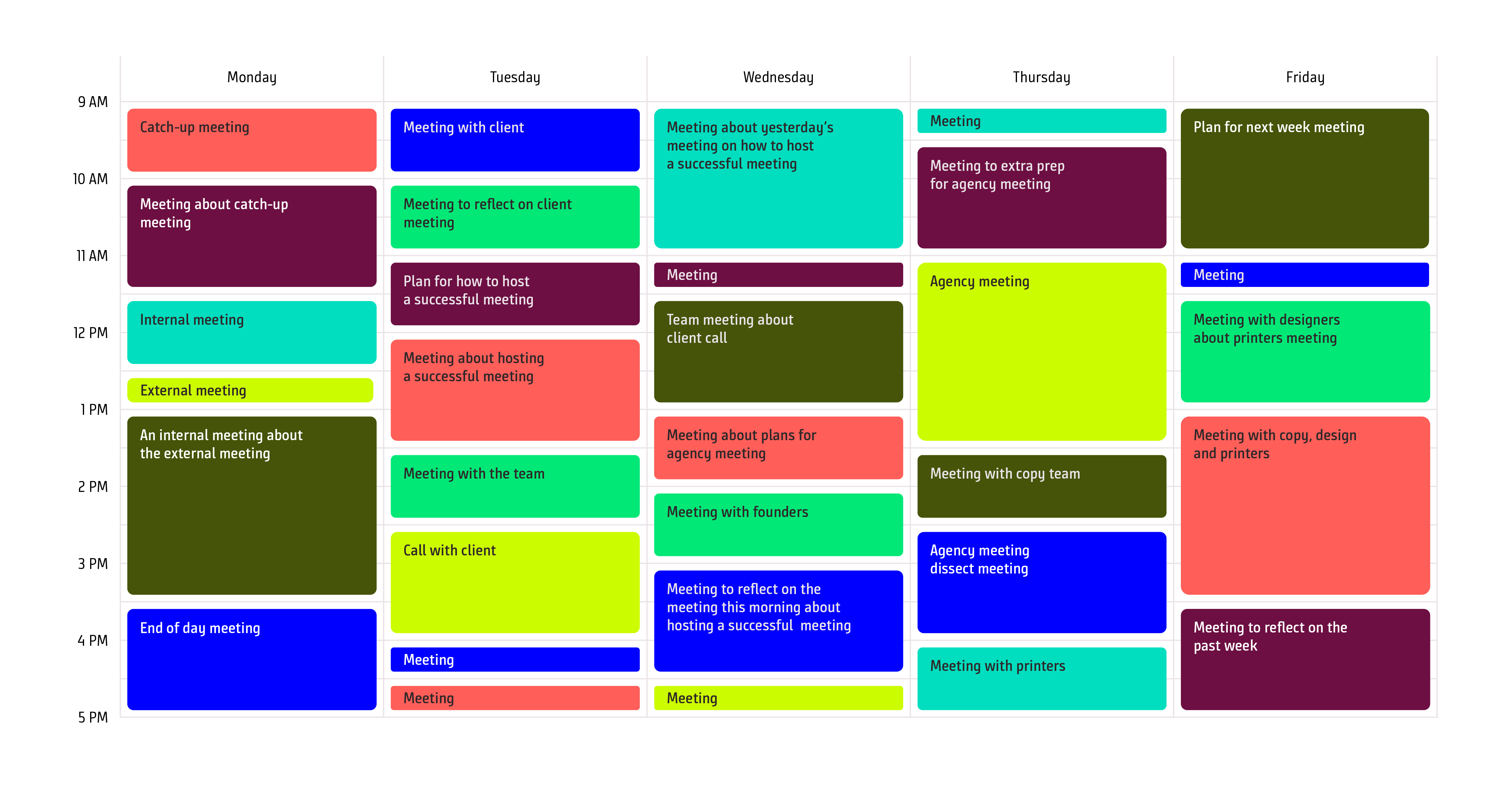
Let’s be honest: at some point, most of us have attended a meeting whose sole purpose was to prepare for another meeting. Not the actual meeting. The pre-meeting. For a meeting.
If you’re nodding right now, welcome. You’re among friends, and as they say, “safety in numbers”.
Somewhere along the way, corporate life quietly slipped into a strange ritualistic loop:
- A meeting to align on what the slide deck should say
- A meeting to review the first draft of the slide deck
- A meeting to discuss feedback from the slide deck meeting
- A follow-up meeting to ensure the actions from the feedback meeting are “on track”
- A final meeting to confirm we are, indeed, ready for the original meeting
By the time we get to the actual meeting, the deck is exhausted, the team is exhausted, and everyone already knows what’s on slide seven because they’ve discussed it six times. And yet… we keep doing it.
How did we get here?
No one wakes up thinking, “Today I will create an infinite meeting loop.” This stuff accumulates slowly. Quietly. Respectably.
It starts with good intentions:
- “Let’s align”
- “Let’s be prepared”
- “Let’s make sure everyone’s comfortable before we present”
Before you know it, “being prepared” means nothing can move forward without three approvals, two syncs, and one calendar Tetris miracle.
The real problem isn’t meetings or slide decks. It’s that we stopped asking why.
Why does this need a meeting?
Why does this need a deck?
Why do twelve people need to be here?
Why is this follow-up a meeting instead of… an email? Or a Teams message? Or not a thing at all?
At some point, the process became the product.
What if we paused the loop?
Imagine if, once in a while, someone said:
- “Do we actually need a meeting for this?”
- “What decision are we trying to make here?”
- “Could we skip straight to the outcome?”
- “What would happen if we just… trusted people?”
(Yes, that someone may feel mildly dangerous at first.That’s normal. But before we flog them in front of King’s Landing, don’t panic, let’s see where we end up).
Breaking the corporate mindset doesn’t mean chaos. It doesn’t mean no structure, no planning, or no collaboration. It means being intentional instead of automatic.
It means realising:
- Not everything needs a slide
- Not everything needs consensus
- Not everything needs to be discussed to death before it’s allowed to exist
Sometimes the most efficient thing you can do is stop optimising the process and start focusing on the point.
Think of the energy we could use in keeping things spontaneous. Without exhaustion, we open ourselves up to the positives; keeping things fresh and exciting. If I have to present an idea for the 11th time, it’s hard to show genuine human excitement, no matter what it is.
A small act: Join the rebellion
You don’t need permission to think differently. You don’t need a transformation programme or a rebrand of “ways of working.”
You can start small:
- Cancel one unnecessary meeting
- Replace one deck with a one-pager
- Ask one uncomfortable “why”
- Ship something imperfect instead of polishing it endlessly
These tiny moments add up. They give people time back. They remind teams that work is supposed to move, not orbit endlessly around itself.
Because the goal was never the meeting about the slide deck about the meeting.The goal was to actually do something useful.
And maybe, just maybe, we can finally put slide seven out of its misery.
Hope this email finds you well.
Fenya